Hand Gesture Line Art: A Designer's Review for Embroidery
As a designer who spends more time staring at stitch simulations than I do sleeping, I approach every new digital embroidery file with a mix of curiosity and skepticism. Trends come and go, but clean line work often has staying power if executed correctly. Recently, I got my hands on the Hand Gesture Line Art Illustration to evaluate its potential for real-world embroidery projects. This isn't just about whether it looks good on a screen; it is about how those vectors translate into thread, how they sit on fabric, and whether they will hold up in a customer's hands after a few washes.
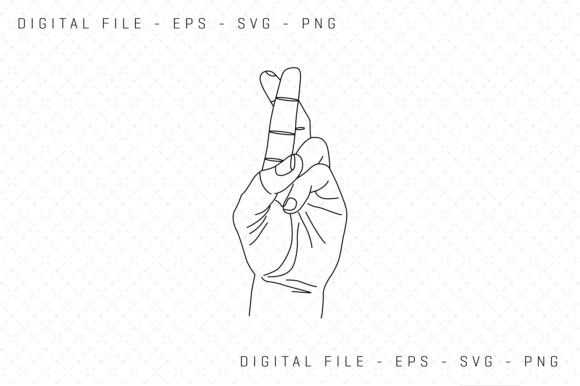
My first impression of this design was one of modern minimalism. In the world of Illustrations and Graphics, less is often more, especially when you are dealing with the physical limitations of an embroidery machine. The hand gesture theme carries a mood of connection, peace, or perhaps a specific cultural signal depending on the exact pose included in the pack. Visually, the lines appear crisp and deliberate. For an Etsy seller or a boutique owner, this kind of aesthetic is gold. It fits perfectly into the current market demand for understated, meaningful branding on custom apparel and home goods.
From Vector to Thread: Real-World Application
To truly test the viability of this asset, I imagined a specific scenario: a custom order for a local yoga studio needing branded tote bag designs. They wanted something that felt organic and human, not corporate. The Hand Gesture Line Art Illustration seemed like the perfect candidate. When visualizing this as a machine embroidery design, the open spaces in the line art are crucial. Unlike dense fill areas that can make heavy fabrics stiff, line art allows the natural fabric texture to breathe. This is essential for items like tote bags or linen tea towels where drape matters.
I also considered how this would perform as sweatshirt embroidery. On a fleece or French terry background, simple lines can sometimes get lost if the thread colors don't have enough contrast. However, the strength of this design lies in its silhouette. If digitized correctly with a solid running stitch or a very narrow satin stitch, it would pop beautifully against dark heather grey or navy blue. For baby embroidery, such as a onesie or a nursery wall hanging, the softness of the line work avoids the scratchy feel that kids sometimes dislike with heavier stitching.
The versatility extends beyond clothing. Imagine this stitched onto a denim jacket as a statement piece or scaled down for a set of cloth napkins. Because the source files include an Editable EPS File and SVG Design, a skilled digitizer can easily adjust the scale to fit different hoop sizes without losing the integrity of the gesture. This flexibility is a massive plus for small shop products where inventory space is limited, and one design needs to work across multiple product types.
Navigating Technical Challenges
While the aesthetic is strong, we must talk about the technical realities of turning this Illustration into a finished product. Line art can be deceptively tricky. The primary concern with any hand gesture design is the detail in the fingers and the curves of the palm. If the lines are too thin, they may break during stitching or fail to cover the fabric adequately, leading to a "skippy" look. Before committing to a client project, I always advise testing the design on scrap fabric that matches your final material.
You need to pay close attention to stitch density. If the digitizer has made the lines too sparse, the design will look fragile. If they are too dense, the fabric might pucker, especially on stretchy materials like t-shirts or caps. Speaking of caps, curved surfaces are the enemy of long, straight lines unless proper pull compensation is applied. If you plan to use this for hat embroidery, ensure your digitizer has experience with curved hoops and understands how to manipulate the stitch angles to follow the crown's contour.
Another critical factor is the choice of stabilizer. For line art on woven fabrics like cotton twills or linen, a cut-away stabilizer is often safer than tear-away to prevent distortion over time. Since these gestures rely on precise shapes, any shifting of the fabric during the stitch-out process could ruin the meaning of the gesture. Always hoop your stabilizer tightly and consider using a topper if you are stitching on textured fabrics like towels or loops of fleece, which can swallow fine lines.
Commercial Viability and Brand Value
For craft business owners, the value of a design isn't just in how it stitches out, but in how it sells. The Hand Gesture Line Art Illustration has high "giftability." It speaks to emotions—friendship, support, mindfulness—which are powerful drivers for personalized gift purchases. When a customer sees a well-executed embroidered hand gesture on a pillow cover or an apron, it conveys a sense of thoughtfulness and artisanal quality. This boosts customer trust and encourages repeat business.
However, before listing this as a printable mockup or selling the physical embroidered item, you must verify the licensing terms. The product description mentions usage for vinyl decals and stickers, but commercial embroidery rights can vary. Always confirm whether the license allows for unlimited physical sales or if there are restrictions on the number of finished items you can produce. Additionally, check if the license permits you to sell the design assets themselves if you are a digital product seller. Protecting your craft business starts with understanding what you are allowed to do with the files you purchase.
In terms of presentation, this design shines in printable mockups used for online listings. The clean lines photograph well, even on mobile screens where most Etsy browsing happens. To maximize engagement, try showing the design on various backgrounds—light denim, dark canvas, soft muslin—to demonstrate its adaptability to potential buyers. Showing the embroidered patch version alongside the direct-to-garment option can also help customers visualize the end result.
Final Verdict for Makers
The Hand Gesture Line Art Illustration is a robust addition to any designer's library, provided it is handled with technical care. It bridges the gap between trendy graphic design and timeless embroidery art. Whether you are creating holiday embroidery for family gifts or building a catalog of commercial embroidery items for a boutique, this design offers a solid foundation. Just remember to respect the limitations of the medium. Test your tension, choose your threads wisely, and never skip the sample stitch-out.
Ultimately, the success of this project depends on your execution. The files provided, including the High Resolution Transparent PNG, give you the tools to create stunning visuals for marketing, while the vector files allow for the necessary adjustments before digitizing. If you take the time to refine the stitch path and select the right materials, this hand gesture can become a signature element of your brand, adding a human touch to every handmade product you create.