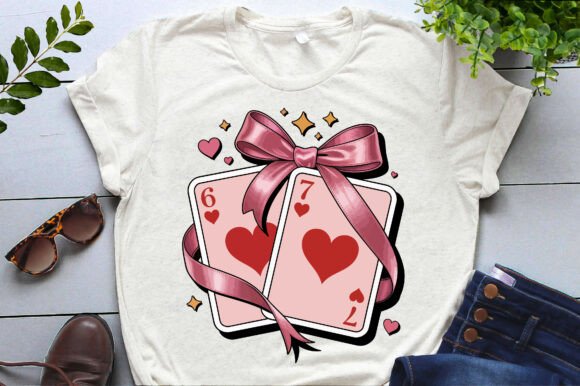
Review: Playing Cards 6 7 Six Seven Valentines for Embroidery
As a designer who spends more time staring at stitch maps than most people care to admit, I approach new Illustrations and Graphics with a critical eye. It is not enough for a file to look cute on a screen; it must translate flawlessly into thread. Recently, I evaluated the Playing Cards 6 7 Six Seven Valentines design to see if it holds up under the needle for real-world projects. This isn't just about downloading a file; it is about understanding how this specific aesthetic functions in a commercial or hobbyist embroidery project.
The first impression of Playing Cards 6 7 Six Seven Valentines is one of playful nostalgia mixed with modern preppy trends. The concept relies on the visual pun of "six seven" (67) sounding like "sexiest," a popular phrase for Valentine's Day, framed within the context of playing cards. For an embroiderer, the immediate question is how these graphic elements convert to stitches. The design features bold lines and distinct shapes typical of card suits, which generally digitize well. However, the charm lies in the balance between the text and the iconography. If you are planning a custom apparel line or a limited run of holiday gifts, this mood strikes a perfect balance between cheeky and sweet.
Real-World Application: The Boutique Sweatshirt Test
To truly test the viability of this design, I envisioned a specific scenario: creating a small batch of oversized, cream-colored sweatshirts for a local boutique's Valentine's drop. The goal was to produce a handmade product that feels high-end yet fun. In this context, Playing Cards 6 7 Six Seven Valentines shines as a central chest piece. The layout is compact enough to fit comfortably without overwhelming the garment, yet detailed enough to draw attention.
When translating this from a digital embroidery file to fabric, the clarity of the numbers "6" and "7" is crucial. In a sweatshirt embroidery application, the texture of the fleece can sometimes swallow fine details. My assessment suggests that this design works best when the card borders and suit symbols are rendered with a solid fill stitch or a clean satin stitch outline. This ensures the "preppy" vibe remains crisp rather than becoming muddy. For a tote bag design, the same principles apply, though the heavier canvas fabric offers a more stable base for the intricate corners of the card shapes.
Navigating Fabric Challenges and Stitch Density
While the design is versatile, practical experience dictates caution in certain areas. If you intend to use Playing Cards 6 7 Six Seven Valentines on stretchy fabrics like jersey knits for baby embroidery or fitted tees, the stitch density becomes a major factor. High-density areas can cause the fabric to pucker, distorting the perfect geometry of the playing cards. It is essential to pair this design with a high-quality cut-away stabilizer to maintain shape integrity after washing.
Furthermore, consider the hoop size relative to your machine. While the design is scalable, shrinking it too much for a small pocket on a cap or a tiny patch could render the "67" text illegible. The thin lines of the card borders might merge if reduced beyond a certain point. For curved surfaces like caps, ensure the digitizing accounts for the curvature, or the top and bottom of the card design may appear warped. Always test the design on scrap fabric of the same weight and texture before committing to the final finished product.
Color Strategy and Visual Appeal
The visual personality of Playing Cards 6 7 Six Seven Valentines relies heavily on contrast. Traditional playing cards use red and black, but for a Valentine's theme, experimenting with thread colors can elevate the design. Imagine using metallic gold thread for the card borders against a deep navy hoodie, or pastel pinks and greens for a softer, spring-like take on the holiday. The design allows for creativity here, but remember that too many color changes can increase production time and potential thread breaks.
For Etsy sellers and craft business owners, presentation is everything. This design adds significant value to a plain item, turning a generic pillow cover or tea towel into a personalized gift. The recognition factor is high; customers immediately grasp the pun, which drives engagement. However, professionalism is key. Ensure your thread color choices do not clash with the base fabric. A dark thread on a dark fabric might look sophisticated in person but can disappear in photos, hurting your online sales. Always review your work in both natural light and under shop lighting.
Commercial Viability and Licensing Checks
Before listing items featuring Playing Cards 6 7 Six Seven Valentines in your small shop product catalog, you must verify the licensing terms. The source files mentioned include PNG, EPS, and SVG formats, which are excellent for printing and cutting, but for commercial embroidery, you need to confirm if the license covers physical goods sold for profit. Never assume a file bought for personal use extends to commercial rights. Check the specific agreement provided with the design assets.
If you are creating printable mockups for digital sales, the high-resolution PNGs included in the package are ideal. They allow you to showcase the design on various backgrounds without needing to stitch every sample. However, for actual production, relying solely on the raster images is not enough. You will likely need to have the design professionally digitized into a machine-readable format unless a specific embroidery file is provided. A vector SVG or EPS is a great starting point for a digitizer, ensuring clean lines and accurate scaling.
Final Verdict for Makers and Designers
In conclusion, Playing Cards 6 7 Six Seven Valentines is a strong contender for seasonal collections. Its strength lies in its clear thematic message and adaptable layout. Whether you are making an embroidered patch for a jacket, a holiday embroidery piece for home decor, or a run of custom apparel, the design offers a solid foundation. Just remember to respect the limitations of your materials. Test your tension, choose your stabilizer wisely, and keep an eye on those small details that make the difference between a homemade look and a professional finish.
For the creative entrepreneur, this design represents an opportunity to tap into a trending niche with a classic twist. By paying attention to the technical execution—ensuring the running stitch outlines are tight and the fills are smooth—you can deliver a product that customers trust and love. As with any project, the magic happens not just in the download, but in the careful, thoughtful application of the design to the medium. Happy stitching!