Review: I Had a Brain Tumor, What's Your Excuse?
As someone who has spent years digitizing patterns and reviewing machine embroidery design files for commercial use, I approach bold typography with a mix of excitement and caution. When I first pulled up the file for I HAD a BRAIN TUMOR WHAT S YOUR EXCUSE T, my immediate reaction was to appreciate the raw, motivational energy it carries. This isn't just a cute phrase; it is a statement piece designed to resonate deeply with survivors and those fighting hard battles. However, from a technical standpoint, a design like this requires careful handling to ensure the message lands correctly without getting lost in poor stitching execution.
First Impressions and Visual Personality
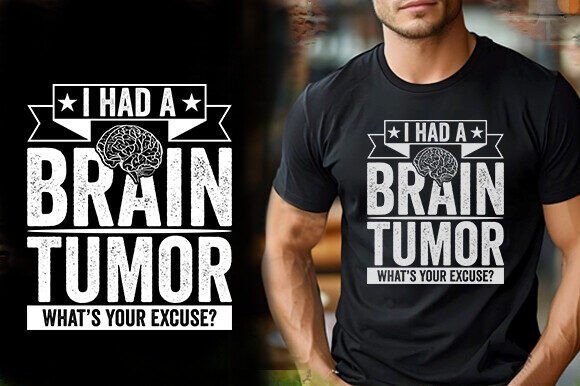
The layout of this Graphics asset suggests a retro-inspired aesthetic, likely leaning into the trending "vintage tee" look that dominates current T-Shirt Designs. The typography appears blocky and substantial, which is excellent for embroidery because it allows for solid fill stitch areas that hold up well over time. The mood is defiant yet hopeful, making it a perfect candidate for empowerment merchandise. Visually, the design feels balanced, but the length of the phrase means it demands a wide hoop or a strategic split layout if you are working with smaller garments. The visual personality is loud and proud, meaning it naturally belongs on items where the text can be read clearly from a distance, rather than hidden on small accessories.
Real-World Application: The Survivor Sweatshirt Project
To truly test the viability of this embroidery file, I imagined a specific real-life scenario: creating a custom gift for a friend who recently finished radiation therapy. I decided to visualize this design stitched onto a heavy-weight, heather grey crewneck sweatshirt. In this context, the I HAD a BRAIN TUMOR WHAT S YOUR EXCUSE T phrase transforms from a digital image into a badge of honor. On a soft, textured fabric like French terry, the contrast between the smooth thread and the napped surface would make the letters pop, provided the stitch density is optimized to prevent sinking.
If I were producing this as a handmade product for an Etsy seller or a small boutique, I would likely position it as a centerpiece for a "Survivor Collection." It works exceptionally well as custom apparel for support groups or fundraising walks. The design's strength lies in its ability to spark conversation. When a customer sees this on a finished garment, they aren't just seeing a shirt; they are seeing a story. For a craft business, this translates to high emotional value, which often justifies a higher price point than standard decorative items.
Technical Considerations for Stitching Clarity
While the sentiment is powerful, the execution requires precision. The primary challenge with long textual phrases in embroidery is maintaining legibility. If the thread colors chosen do not have enough contrast against the base fabric, the message becomes muddy. For instance, stitching white thread on a light pink shirt might look pretty in a printable mockup, but in reality, the text could vanish. I strongly recommend testing this design on dark fabrics like navy, charcoal, or black to maximize readability.
Another critical factor is the hoop size. Depending on the specific digitization of this file, fitting the entire phrase in one go might require a large hoop, such as a 5x7 or larger. If you are attempting to put this on a cap or a baby onesie, you may run into spatial issues. Curved surfaces like caps distort long lines of text, potentially making the ends of the phrase warp unnaturally. For baby embroidery or small tote bag design applications, you might need to verify if the designer offers a stacked or abbreviated version of the file. Without checking the specific dimensions provided in the download, forcing this onto a small hoop could result in cramped lettering that loses its impact.
Fabric and Stabilizer Choices
The choice of stabilizer is non-negotiable here. Because this design likely relies on dense satin or fill stitches to create bold letters, using a tear-away stabilizer on stretchy knits could lead to distortion after washing. For a project like a sweatshirt or a tote bag, a cut-away stabilizer is superior. It provides permanent support, ensuring that the heavy text does not pull the fabric out of shape over time. If you are working with textured fabrics like towels or waffle knit, the risk of the stitches sinking into the pile is real. In those cases, a water-soluble topper is essential to keep the running stitch outlines and fill areas crisp and defined.
Commercial Viability and Brand Consistency
For digital embroidery file sellers and commercial embroidery shops, this design represents a niche but potent market segment. Cancer awareness merchandise is always in demand, but customers are becoming increasingly discerning about quality. A poorly stitched version of I HAD a BRAIN TUMOR WHAT S YOUR EXCUSE T could undermine the seriousness of the message. Therefore, brand consistency is key. If you are selling this as part of a small shop product line, ensure that every item meets a high standard of finish. Loose threads or puckering around the text can detract from the professional look required for buyer engagement.
This design also serves well as a personalized gift. Adding a name or a date below the main phrase could enhance its value as a commemorative item. However, before adding elements, check the licensing terms. The product description mentions it is perfect for platforms like Amazon, Etsy, and Teespring, suggesting it is intended for commercial use, but always confirm whether modifications are allowed. Using this as a design asset for holiday gifts or awareness month promotions can drive significant traffic to your store if marketed with empathy and authenticity.
Final Verdict for Makers and Designers
In conclusion, I HAD a BRAIN TUMOR WHAT S YOUR EXCUSE T is a compelling addition to any embroiderer's library, provided it is treated with the technical respect it deserves. It is not a filler design; it is a statement that requires the right fabric, the right stabilizer, and the right placement to shine. Whether you are creating an embroidered patch for a jacket, a sweatshirt embroidery piece for a survivor, or a holiday embroidery gift for a loved one, the potential for impact is immense.
Before starting your next embroidery project, remember to stitch a test sample on scrap fabric identical to your final material. Check the back of the hoop for excessive thread buildup, which can cause itching if worn against the skin. Verify that the applique design elements, if any, are securely tacked down. By paying attention to these details, you ensure that the finished product honors the resilience of the wearer. This design has the power to inspire, but only if the craftsmanship matches the strength of the message.