Review: Best Pilot Dad Ever T-shirt Design for Embroidery
As a designer who spends more time staring at stitch maps than actual sky, I approach every new machine embroidery design with a mix of curiosity and skepticism. We have all downloaded a file that looked crisp on the screen only to turn into a bird's nest of thread on the hoop. So, when I pulled up the Best Pilot Dad Ever T-shirt Design, my first instinct wasn't to rush to the machine, but to analyze its potential for real-world application. This isn't just about whether it looks cute; it is about whether it holds up under the needle, survives a wash cycle, and actually sells in a crowded marketplace.
First Impressions and Visual Personality
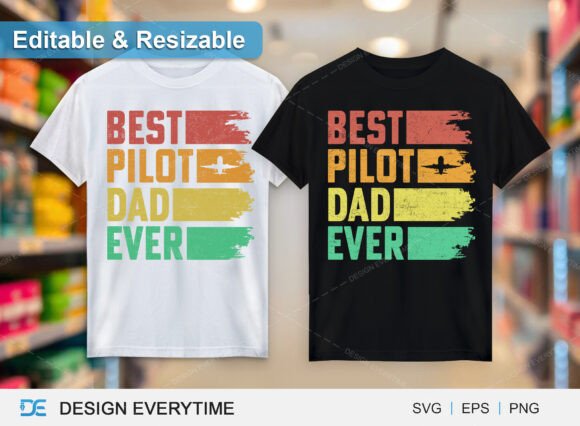
The initial visual impact of this design is clean and authoritative, which fits the aviation theme perfectly. Aviation aesthetics usually lean towards bold lines, clear typography, and iconic imagery like wings or propellers. From a layout perspective, this graphic strikes a good balance between text and iconography. The mood it creates is one of pride and professionalism, making it an ideal candidate for a personalized gift that feels bespoke rather than generic.
What stands out immediately is the versatility offered by the file types. Receiving both black and white versions as SVG and EPS files suggests a vector-based origin. For us embroidery enthusiasts, this is crucial. It means the lines are likely smooth and scalable before they are digitized into stitch formats. While the product description highlights these as T-Shirt Designs and Graphics, my eye immediately starts translating these vectors into satin columns and fill areas. The "Best Pilot Dad Ever" text appears substantial enough to avoid the common pitfall of tiny, illegible lettering that often plagues small-batch apparel.
Real-World Application: The Sweatshirt Scenario
To truly test the viability of this design, I imagined a specific client request: a custom order for a local flight school graduation party. The client wanted matching sweatshirt embroidery for a group of proud parents. This is where the rubber meets the road. A sweatshirt presents challenges like fabric texture and loft that a flat t-shirt does not.
If I were stitching this onto a heavy cotton blend fleece, the density of the design would be my primary concern. Bold designs like this generally handle textured fabrics well because the thicker threads can bridge the gaps in the fleece without sinking in too deeply. However, if the original digitizing relies heavily on fine running stitch details for the smaller elements of the pilot insignia, those might get lost in the nap of the fabric. In this scenario, I would likely opt for a slightly heavier weight thread or adjust the underlay settings if I have access to the editable source files to ensure the finished product looks sharp.
For a tote bag design, this graphic would shine even brighter. Canvas bags provide a stable, tight weave that acts as a perfect canvas for detailed fill stitch work. The contrast of white thread on a navy or black canvas tote creates a high-end boutique look that elevates the perceived value of the item. It transforms a simple grocery carrier into a statement piece for a dad who loves flying.
Navigating Fabric Challenges and Hoop Constraints
Every designer knows that context is everything. While this design is marketed broadly, there are specific situations where you need to proceed with caution. If you are planning to use this on stretchy performance fabrics, such as a moisture-wicking polo shirt often worn by pilots, you must pay close attention to your stabilizer choice. A design with solid filled areas can restrict the natural stretch of the fabric, leading to puckering around the edges after the first wash. Using a cut-away stabilizer rather than a tear-away would be non-negotiable here to maintain the integrity of the custom apparel.
Another consideration is the hoop size. Although the files are described as resizable, physical limitations exist. If you are attempting to place this on a structured cap, the curvature of the front panel limits the maximum height of the design. You would need to scale the graphic down significantly. When shrinking a design, fine details are the first to suffer. The small serifs on the letters or intricate lines in the wing graphics could merge together if scaled too small. I always recommend stitching a test run on scrap fabric of the same weight before committing to the final garment, especially for curved surfaces like hats or soft, thin baby knits.
Commercial Viability for Etsy Sellers and Makers
For the Etsy seller or craft business owner, the commercial potential of the Best Pilot Dad Ever T-shirt Design lies in its evergreen appeal. Father's Day, birthdays, and retirement gifts for aviators are consistent revenue streams. The inclusion of both black and white versions in the package is a significant time-saver. It allows you to create printable mockups for your online shop instantly, showing customers how the design looks on light versus dark garments without needing to manually recolor layers in your editing software.
However, before listing this as a small shop product, you must verify the licensing terms. Just because a file is editable does not automatically grant unlimited commercial rights. Ensure that the license covers the sale of physical finished goods. If you are selling digital assets, the rules are even stricter. Assuming the license permits commercial use for physical items, this design offers excellent brand consistency opportunities. You could easily pair it with other aviation-themed motifs to create a cohesive collection for a niche audience.
Technical Notes for the Stitch-Out
From a technical execution standpoint, here is how I would approach this project to ensure maximum quality:
- Thread Contrast: Stick to high-contrast color combinations. White thread on black fabric is classic, but consider metallic gold or silver threads for the wing elements to add a touch of premium flair suitable for a pilot's gear.
- Density Check: Inspect the stitch density in the preview software. If the black version feels too heavy, consider converting some solid fill areas to a lighter pattern or reducing the density percentage to prevent the fabric from becoming stiff.
- Detail Inspection: Zoom in on the smallest text elements. If any part of the "Best Pilot Dad Ever" text is thinner than 2mm, it may require a satin stitch column adjustment to ensure durability.
- Fabric Testing: Always test on the actual fabric you intend to sell. A design that looks perfect on broadcloth might behave differently on a tri-blend tee.
Ultimately, the value of this design comes down to execution. It provides a strong foundation—a solid concept with versatile file formats—but the magic happens in the hoop. By paying attention to fabric texture, stabilizer selection, and appropriate scaling, you can turn this digital file into a cherished heirloom. Whether it ends up on a nursery pillow, a kitchen towel, or a favorite flight jacket, the Best Pilot Dad Ever T-shirt Design has the structural integrity to support a professional-grade embroidery project that customers will trust and treasure.