Papa Footstep Design: A Review for Embroidery Pros
As a designer who spends more time staring at stitch simulations than actual sunlight, I approach every new digital embroidery file with a mix of curiosity and skepticism. We've all been there: you download a cute graphic, load it into your software, and realize the density is a nightmare or the details are too fine for anything but a display piece. That's why I took a close look at the Papa Footstep This Awesome Papa Grandpa design. While this product is technically categorized under T-Shirt Designs and Graphics, my interest lies in how these vector assets translate into tangible, stitched reality for small business owners and crafters.
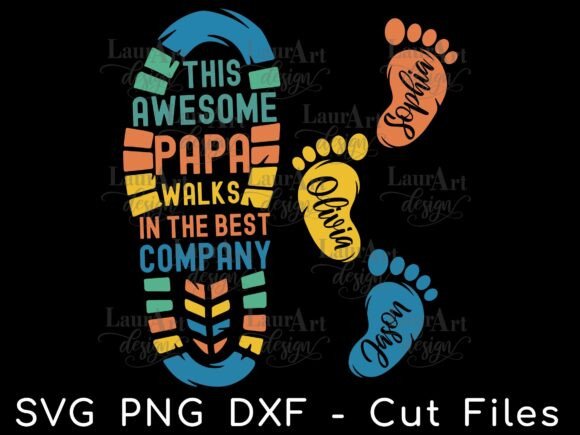
The first impression of this design is its emotional resonance. It isn't just a random collection of shapes; it tells a story of legacy and family connection. The combination of footprints with affectionate titles like "Papa" and "Grandpa" creates an immediate mood of warmth and nostalgia. Visually, the layout feels balanced, likely offering a central focal point that draws the eye without being overly cluttered. For those of us creating handmade products, this kind of visual personality is gold. It suggests a project that is meant to be cherished, making it an ideal candidate for personalized gifts rather than mass-produced fast fashion.
Real-World Application: The Custom Sweatshirt Scenario
To truly evaluate this asset, I imagined a specific real-life scenario that many Etsy sellers and boutique owners face daily. Picture a customer ordering a custom gift for Father's Day or a grandparent's birthday. They want something soft, wearable, and meaningful. I envisioned placing this design on a heather grey fleece sweatshirt. In this context, the Papa Footstep This Awesome Papa Grandpa motif shines. The footprint elements provide a organic, slightly irregular shape that contrasts beautifully with the structured typography often paired with such themes.
When translating the provided SVG or DXF files into a machine embroidery design, the flow of the stitching would be critical. On a textured fabric like fleece, a design with varying line weights works well. The footprints could be rendered with a tight fill stitch to give them substance, while the text might benefit from a clean satin stitch to ensure readability. If you are an apparel decorator, you know that sweatshirts can be tricky due to their pile and stretch. However, the thematic nature of this design suggests it would look fantastic as a left-chest logo or a larger back-center piece on a tote bag design intended for carrying baby essentials or market goods.
Navigating Fabric Textures and Hoop Limitations
While the aesthetic appeal is strong, practical execution requires caution. One of the most important aspects of using any design assets like this is understanding where they might fail. If you plan to use this on a cap or a curved surface, the horizontal spread of the text and footprints needs to be checked against your available hoop size. Caps have limited vertical space, and a wide design might force you to shrink the elements too much, risking the loss of detail in the smaller footprints.
Fabric choice is equally vital. On thin, stretchy fabrics like standard cotton t-shirts, the stitch density becomes a major concern. If the digitized version of this graphic is too dense, it will cause puckering, ruining the drape of the shirt. Conversely, if the density is too light on a dark fabric, the background might peek through the stitches, killing the contrast. I always recommend testing the design on scrap fabric that matches your final product. For a baby embroidery project, such as a onesie, you must ensure the backing and stabilizer are soft enough not to irritate sensitive skin, as the footprint theme strongly implies use for infants or toddlers.
Enhancing Brand Value and Customer Trust
For creative entrepreneurs and small shop product creators, the quality of the finished stitch directly impacts brand perception. A crisp, well-executed version of Papa Footstep This Awesome Papa Grandpa signals professionalism. It tells the customer that you care about the details. When a client receives a finished product where the thread colors pop against the fabric texture and the edges are clean, it builds trust. This design has the potential to be a signature item for a niche focusing on family milestones, holiday embroidery, or nursery decor.
Furthermore, the versatility of the file formats—SVG, DXF, and high-resolution PNG—allows for more than just stitching. You can use these files to create printable mockups for your online store before you even thread the needle. This is crucial for commercial embroidery projects where clients need to approve a visual proof. Being able to show a realistic preview of how the footprints and text will look on a pillow cover or apron can seal the deal faster than a verbal description ever could.
Critical Designer Notes for Commercial Use
Before you commit to selling items made with this design, there are several technical boxes to check. Since the product description notes that the attached files have no name or text line on them and contain no fonts, you are responsible for the digitization process if you intend to embroider it. This gives you control over the running stitch outlines and fill patterns, but it also places the burden of quality assurance on your shoulders.
- Test on Scrap First: Always run a sample on the exact fabric weight you plan to sell. What looks good on muslin might sink into velvet.
- Check Thread Contrast: Ensure your thread colors stand out against both light and dark backgrounds. A monochromatic look might be stylish, but legibility is key for text-heavy designs.
- Review Stitch Density: Adjust your digitizing settings to prevent bird-nesting, especially in the smaller details of the footprints.
- Confirm Licensing: While these are digital product files, always verify the specific license terms regarding commercial sales of finished physical goods versus reselling the digital files themselves.
- Inspect Small Details: Zoom in on your software. Are the corners of the footprints sharp enough to stitch, or will they turn into blobs? Simplify if necessary.
In conclusion, Papa Footstep This Awesome Papa Grandpa offers a solid foundation for meaningful embroidery projects. Its strength lies in its emotional connectivity and adaptable layout. Whether you are creating a custom apparel line for a local boutique or crafting one-off embroidered patches for a family reunion, this design holds significant potential. However, its success depends entirely on the skill of the maker to translate those vector lines into flawless stitches. By respecting the limitations of your materials and paying attention to the technical nuances of digitizing, you can turn this graphic into a best-selling item that customers will treasure for years.