Just One More RC Plane: A Designer's Review
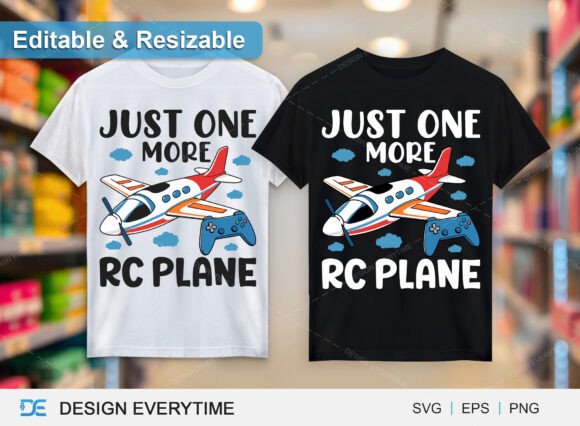
As someone who spends more time staring at stitch maps than actual skies, I approach new machine embroidery design files with a healthy dose of skepticism. We have all downloaded a "perfect" graphic only to watch it turn into a bird's nest on the hoop. That is why I took a close look at the Just One More RC Plane, Aviator Pilot design before committing it to any client projects. This isn't just about whether the image looks cute on a screen; it is about how those vectors translate into thread, how the density behaves on different fabrics, and whether it holds up as a sellable asset for a craft business.
The first impression of this design is its clean, hobbyist charm. It captures that specific, relatable obsession many aviators feel—the inability to stop at just one model plane. Visually, the layout is balanced, offering a strong silhouette that reads well even from a distance. For an embroidery project, this clarity is crucial. When you are working with thread, fine details can get lost, but the core shapes here seem robust enough to survive the transition from digital graphics to physical stitching. The mood is playful yet technical, making it an ideal candidate for personalized gifts or boutique apparel.
Real-World Application: The Weekend Maker's Sweatshirt
To truly test the viability of Just One More RC Plane, Aviator Pilot, I imagined a specific real-life scenario: a custom order for a local flying club member who wanted a commemorative sweatshirt embroidery piece. He needed something that looked professional but didn't take itself too seriously. Placing this design on a heather grey fleece sweatshirt creates an immediate visual win. The contrast between the dark threads and the lighter fabric allows the lines to pop without needing excessive underlay or complex shading.
In this context, the design shines as a custom apparel staple. It fits perfectly on the left chest for a subtle nod to the hobby or centered on the back for a statement piece. Because the source files include resizable editable formats, adjusting the size to fit the specific hoop constraints of a home machine or a commercial multi-head setup is straightforward. For an Etsy seller looking to expand their catalog beyond generic quotes, this offers a niche-specific angle that targets a passionate community. The finished product feels intentional, like a logo rather than a random clipart drop, which increases the perceived value of the handmade item.
Navigating Fabric Textures and Stitch Types
While the design concept is strong, the execution depends heavily on how you handle the conversion to stitches. Since the product description highlights T-Shirt Designs and vector files like SVG and EPS, it is important to remember that these are not pre-digitized embroidery files out of the box. You will need to digitize them or use software to convert them into a usable embroidery file. This gives you control over the stitch density, which is vital.
If you are aiming for a classic look, utilizing a satin stitch for the outlines and text can provide a shiny, premium finish. However, be wary of long runs in the wing spans if the design is scaled down; they may require tacking stitches to prevent looping. Alternatively, a fill stitch approach works well for the body of the plane, giving it weight and texture. For a more vintage or sketch-like aesthetic, a running stitch could mimic the look of a technical blueprint, which fits the "Aviator Pilot" theme beautifully.
Caution is advised when working on textured fabrics like pique polo shirts or thick terrycloth towels. The intricate lines of the plane might get swallowed by the fabric texture if the stitch count is too low. Conversely, on stretchy knits used for baby embroidery, you must ensure your stabilizer game is on point. A cut-away stabilizer is often safer than tear-away for designs with solid areas to prevent distortion after washing. If you plan to use this on a cap, remember that the curved surface requires careful centering and potentially a stiffer backing to keep the design from warping during the stitch-out.
Commercial Viability and Brand Consistency
For small shop owners and creative entrepreneurs, consistency is key to building trust. The Just One More RC Plane, Aviator Pilot design offers a level of professionalism that enhances brand recognition. Whether you are creating an embroidered patch for a uniform, a tote bag design for a craft fair, or a holiday embroidery gift for a family member, the clean lines ensure the final result looks crisp. Customers are more likely to trust a maker whose products feature clear, well-defined imagery rather than muddy, over-saturated stitches.
This design also serves well as a component in larger branding efforts. Imagine a series of printable mockups for an online store where this graphic is paired with matching fonts and color palettes. It acts as a versatile design asset that can be adapted for various small shop products. The black and white versions included in the package are particularly useful for testing contrast before committing to expensive thread colors. It allows you to visualize how the design performs on both light and dark backgrounds, ensuring your finished product meets quality standards regardless of the garment color.
Practical Notes for the Digitizer and Maker
Before you load this onto your machine, there are a few practical steps to consider. First, always test the design on scrap fabric that matches your final material. This helps you verify the thread colors and check for any potential puckering. Since the files are provided as SVG and EPS, you have the flexibility to tweak the paths before digitizing. Pay close attention to the small details, such as the propeller or any textual elements. Tiny lettering can be notoriously difficult in embroidery; ensure the font size is large enough to be legible once stitched, or consider simplifying those areas.
Confirm your hoop size requirements early. While the design is resizable, scaling it too small might compromise the integrity of the plane's features, while scaling it too large could exceed your machine's capacity or require re-hooping. Additionally, review the licensing terms carefully. While the files are editable, confirming whether the license permits commercial use for commercial embroidery projects is essential before selling items featuring this design. Most reputable marketplaces allow you to sell finished physical goods, but reselling the digital file itself is usually restricted.
Ultimately, Just One More RC Plane, Aviator Pilot stands out as a thoughtful addition to a designer's library. It bridges the gap between hobbyist enthusiasm and professional application. With the right digitizing settings, appropriate stabilizers, and a keen eye for fabric selection, this design can elevate a simple piece of cloth into a cherished keepsake or a best-selling item in your online store. It reminds us that great embroidery isn't just about the machine; it's about choosing the right art to bring to life through thread.