I Don't Always Listen to My Wife: A Designer's Review
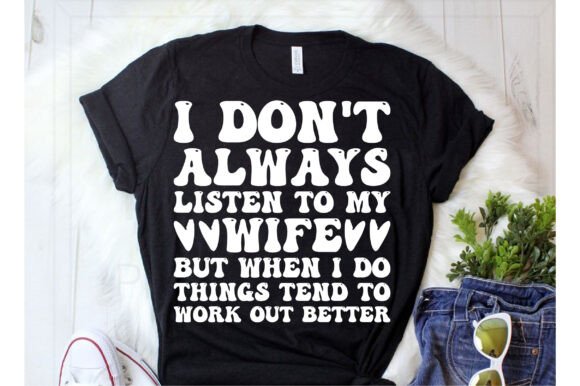
As someone who spends hours hunched over an embroidery machine, tweaking densities and testing stabilizers, I approach every new machine embroidery design with a critical eye. It is not just about whether the image looks cute on a screen; it is about how those vectors translate into thread on actual fabric. Recently, I took a close look at the I Don t Always Listen to My Wife but Wh graphic to evaluate its potential for real-world embroidery project use. While the source material is marketed primarily as a printable sublimation design within the T-Shirt Designs and Graphics categories, my job is to determine if this witty quote can survive the needle and make a viable finished product for a craft business or boutique.
The Visual Personality and Layout Potential
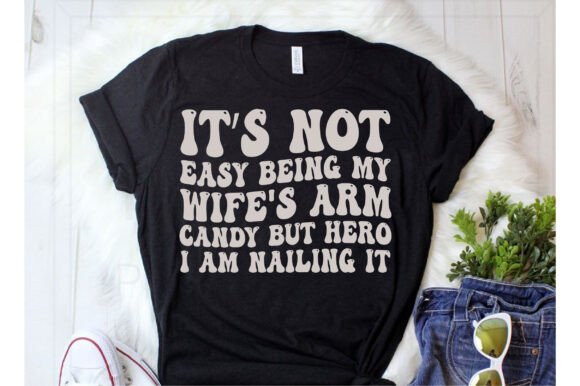
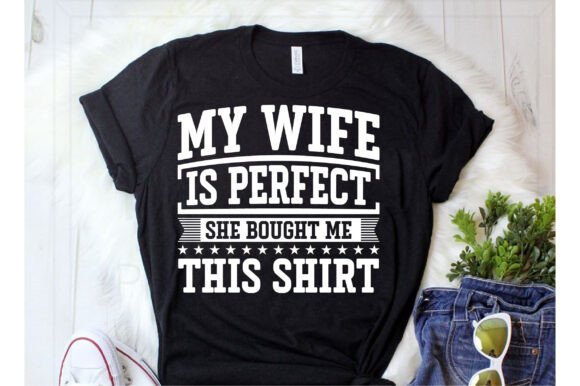
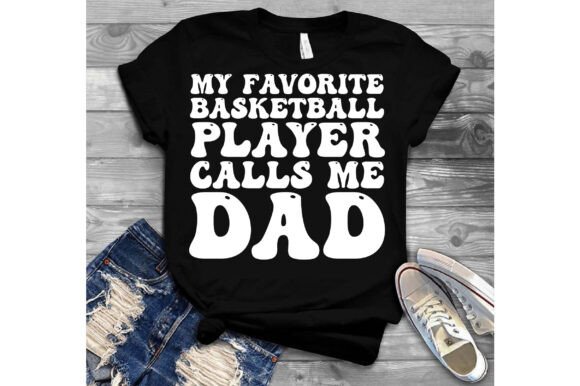
The first thing that strikes me about this phrase is its inherent humor and relatability. It taps into that classic "married life" dynamic that sells incredibly well on custom apparel and personalized gift items. Visually, the layout of I Don t Always Listen to My Wife but Wh suggests a design that relies heavily on typography. In the world of digital embroidery file creation, text-based designs are deceptively tricky. The mood is casual and conversational, which means it naturally belongs on relaxed garments like hoodies, lounge wear, or kitchen textiles rather than formal attire.
When evaluating the shape and theme, I imagine this working best as a centered chest print on a sweatshirt or perhaps arched across the back of a baseball tee. The flow of the sentence requires careful attention to kerning and leading when converting from a raster graphic to stitch data. If you are an Etsy seller looking to expand your catalog beyond sublimation, this quote offers a strong narrative hook. However, the success of the handmade product will depend entirely on how well the lettering is digitized. A poor conversion could turn a funny quip into an illegible mess.
Real-World Application Scenarios
Let's walk through a realistic scenario. Imagine a customer comes into your small shop product line asking for a humorous anniversary gift for their husband. They want something durable, not a vinyl peel that cracks after three washes. This is where I Don t Always Listen to My Wife but Wh shines as a candidate for sweatshirt embroidery. Embroidered text adds a premium tactile feel that elevates the perceived value of the item. Unlike a flat print, the raised texture of the thread invites touch and signals quality.
Beyond apparel, I can see this design translating beautifully onto home goods. Picture a linen tote bag design used for grocery runs or a sturdy canvas apron for the grill master in the family. The durability of embroidery makes it ideal for items that see frequent use. For holiday embroidery projects, such as Christmas stockings or matching family pajamas, this quote adds a layer of personality that generic store-bought items lack. It fits seamlessly into the niche of commercial embroidery where uniqueness drives sales. Even as a printable mockup for digital listings, the concept is strong, but the physical stitched version is where the true magic happens for a craft business.
Navigating Technical Challenges in Stitching
However, we must address the technical realities. Since the original asset is described as a graphic for sublimation, using it for embroidery requires either a high-quality pre-digitized embroidery file or manual digitizing by a professional. If you are attempting to stitch this out, pay close attention to the stitch density. Text that is too dense can cause the fabric to pucker, especially on stretchy materials like cotton blends used in t-shirts. Conversely, if the density is too low, the backing fabric might show through, ruining the crispness of the letters.
There are specific situations where I Don t Always Listen to My Wife but Wh should be used with caution. Small hoop sizes present a significant challenge; if the phrase is long, it may need to be split or resized, which risks making the thread colors and individual stitches look cluttered. Curved surfaces, such as caps, require specialized framing and often a different digitizing approach to prevent distortion. Furthermore, on dark fabrics, you must ensure sufficient underlay stitching is used so the text pops without requiring an excessive number of top stitches that could weigh down the garment.
For those considering this for baby embroidery, extra care is needed regarding the backing. Babies have sensitive skin, so a soft cut-away stabilizer is essential to prevent itchiness from the back of the stitching. Similarly, if you are creating an embroidered patch to be ironed on later, the border needs to be tight and secure to prevent fraying over time.
Enhancing Brand Value and Customer Trust
From a business perspective, the clarity of your stitching directly impacts customer trust. A clean, well-executed version of I Don t Always Listen to My Wife but Wh signals professionalism. It tells the buyer that you care about the details, which encourages repeat business and positive reviews. In contrast, sloppy lettering or broken threads can damage your reputation as an apparel decorator. The visual appeal of the finished piece affects its "giftability"—people are more likely to give an item as a present if it looks polished and intentional.
Consistency is key for boutique branding. If you offer this design across multiple products, such as pillow covers, tea towels, and shirts, maintaining consistent thread tension and color matching is vital. This consistency helps customers recognize your work, building brand recognition in a crowded marketplace. Whether you are selling physical goods or design assets for others to use, the quality of the output defines your success.
Practical Notes for the Studio
Before committing to a production run or listing this item in your online store, I strongly advise following a few practical steps. First, always test the design on scrap fabric that matches your final product's weight and texture. What looks good on muslin might behave differently on a heavy fleece hoodie. Check the contrast of your thread colors against the fabric; sometimes a slight shift in shade makes the text much more readable.
Review the stitch types carefully. A mix of satin stitch for smaller letters and fill stitch for larger elements often yields the best results, while running stitch can be useful for outlines but may lack durability for high-wear items. Confirm your hoop size capabilities before promising a specific placement. Inspect small details like the dots on "i"s or the curves of "S"s to ensure they won't get lost in the stitching process.
It is also wise to test the design in black and white mockups to gauge contrast without the distraction of color. Compare how it looks on both light and dark backgrounds to ensure versatility. Most importantly, verify the licensing terms. The description mentions "100 e" and sublimation use, but it does not explicitly state commercial embroidery rights. Always confirm whether the license allows you to sell finished physical items or if it is restricted to personal use. Never assume a sublimation file includes embroidery rights unless clearly stated.
In conclusion, I Don t Always Listen to My Wife but Wh holds great promise for creative entrepreneurs willing to put in the technical legwork. With the right preparation, attention to fabric texture, and precise digitizing, this design can become a staple in your catalog of custom apparel and home decor. It is a reminder that in our trade, the difference between a good idea and a great product lies in the execution.